Skip to content
Inytialgo
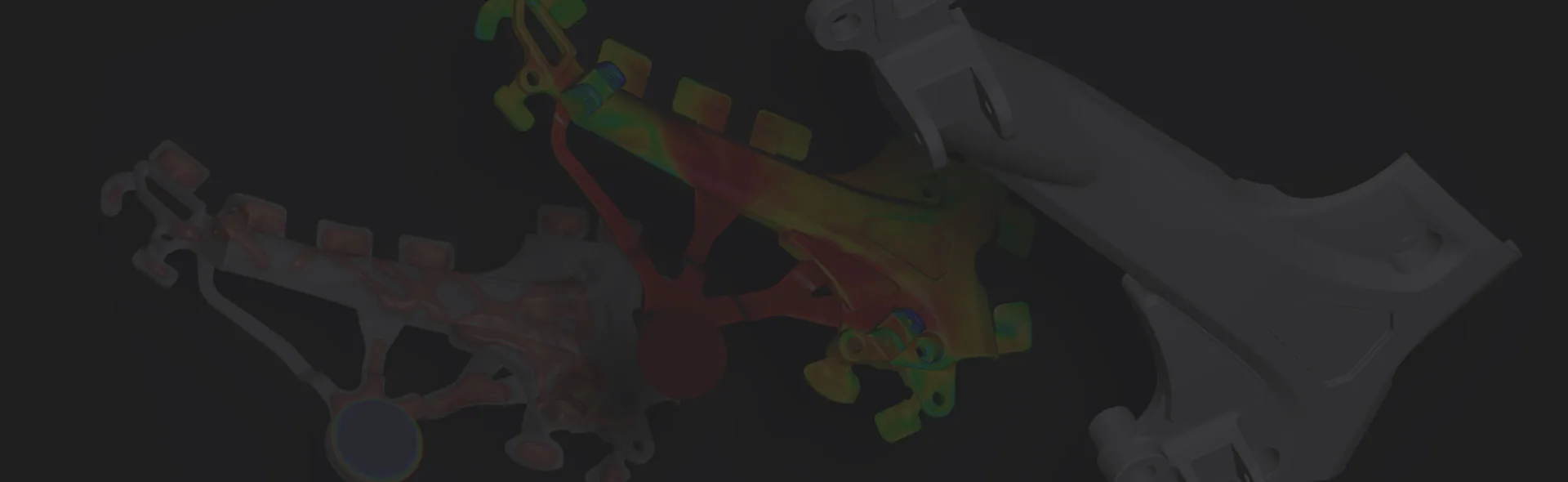
Result of a thermal analysis on a set of cast parts, with the hot areas in red and the cold ones in green

Simcenter Inspire Cast distributor (Siemens)

Simulation software for high pressure die casting

Before machining the steel, mounting the die and running the first shot, you can see on the computer how your part is going to fill and solidify. We distribute and roll out the Siemens simulation software in casting plants all over Mexico: licensing, start-up and training in Spanish.

The catalog

The three tools we distribute

Each one answers a different question: how the part fills, how much the die withstands and how to license everything without tying you to a single workstation.

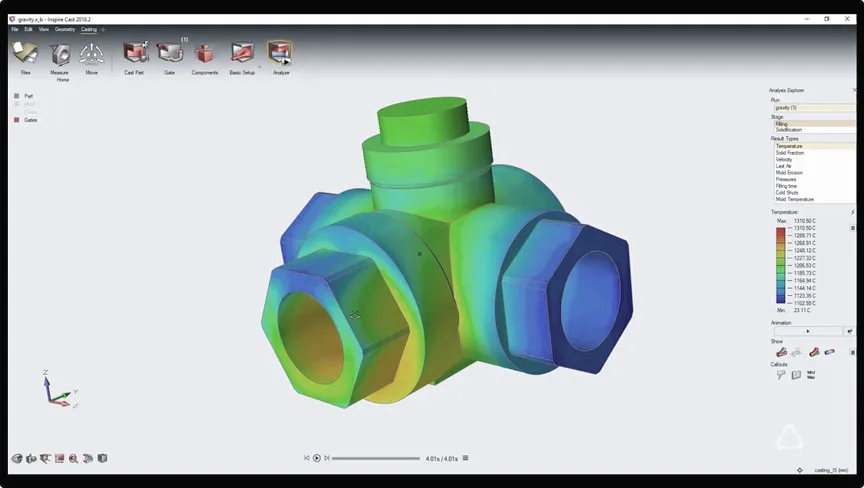
Thermal analysis in Simcenter Inspire Cast: temperature gradient across a cast part with its sprue and runners

Simcenter Inspire Cast

Filling and solidification of the part

The heart of the catalog. Formerly Altair Inspire Cast, it reproduces how the metal enters the cavity, where the air escapes and in what order the part solidifies, so you correct the filling system and the shot parameters before machining the steel.

  • Anticipates porosity, trapped air, cold shuts and short shots
  • Templates by process: high pressure, low pressure, gravity, tilt pour and investment casting
  • It is run by the process engineer, not by a simulation specialist
See Simcenter Inspire Cast

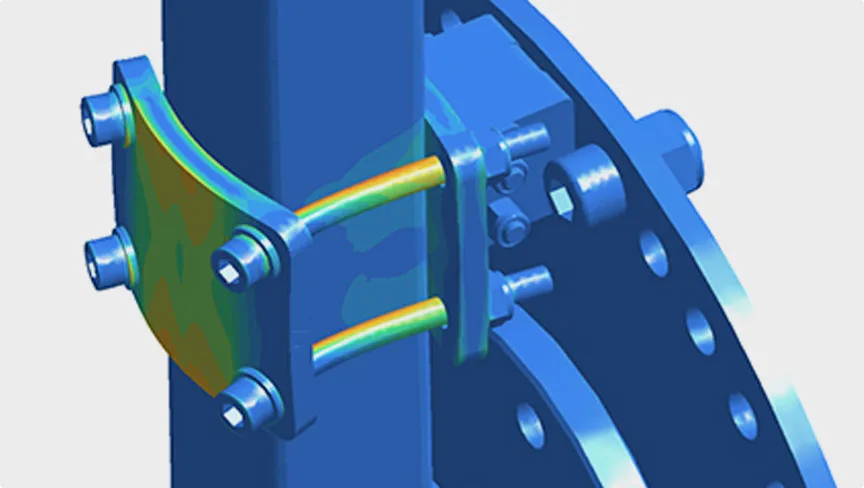
Stress map in Simcenter Simsolid on a mechanical assembly with flanges and bolts

Simcenter Simsolid

Strength of the die and the assembly

Formerly Altair SimSolid: structural analysis straight on the CAD geometry, with no meshing and no stripping detail from the model. It tells you how much a die opens under injection pressure or whether a plate is overbuilt.

  • Loads the complete assembly, with bolts and small radii
  • Detects the contacts between parts automatically
  • Compares design alternatives in the same session

See Simcenter Simsolid

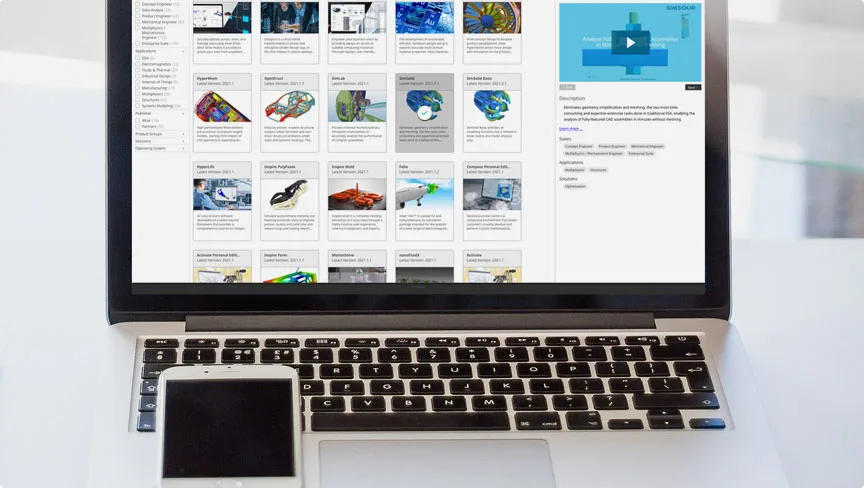
Application catalog of the Altair One Marketplace on a laptop screen

Altair One

Licensing and cloud access

Not a solver itself, but the way to license and run all the others: one shared pool of units and access from any computer, with nothing to install on each workstation.

  • The whole application catalog available under the same license
  • Access from any computer, useful if you have several plants
  • It grows or adjusts without renegotiating the contract from scratch

See Altair One

Why simulate

Simulating is cheaper than correcting

A die corrected on screen costs engineering hours. The same die corrected in the tool shop costs steel, weeks of calendar time and a machine standing still. That is why simulation is not a luxury of the engineering office: it is the cheapest way to find out that the fill will not complete or that the porosity is going to land exactly where a sealing surface has to be machined later.

Fewer trials on the machine

You reach start-up with the filling system already discussed and a reasonable parameter window, instead of hunting for it shot after shot.

Less recurring scrap

When a defect repeats part after part it is almost never the operator: it is in the filling design or in the heat extraction. The simulation points to it.

Decisions backed by evidence

Discussing a die with filling and solidification images on the table changes the conversation with the customer and with the tool shop.

Before quoting

Not sure which one you need?

You do not have to decide it on your own. Tell us the problem—a part with porosity, a new die you want to validate, tooling that opens too much—and we will tell you which tool solves it, whether you need it in-house or whether it suits you better that we do it as a service. If that conversation ends with you not needing to buy software, we will tell you that too.

If you would rather start with the problem and not with the license, take a look at our process consulting or the training programs for your team.

Frequently asked questions

What is high pressure die casting (HPDC) simulation?

It means reproducing on the computer the filling and solidification of a part inside its die before the tooling is built. The software calculates where the metal enters, at what velocity, where air stays trapped, how it loses temperature and which areas solidify last. With that information you correct sprue, runners, vents and shot parameters on the CAD model, when the change costs engineering hours and not weeks of tool shop and steel.

How much does the Siemens simulation software cost?

There is no public price list. The cost depends on which applications you need, how many people are going to use them and which licensing scheme you choose (local license or cloud units with Altair One). We put the quote together with that information: write to us with the size of your team and the type of parts you make, and we will prepare it along with a demo so you see the software working on a case of your own.

Can it be tried before buying?

Yes. The usual route is to start with a demo of about 45 minutes on a real part from your plant, so you see what information the simulation gives you in your specific case. From there we arrange an evaluation with a temporary license, so your team tries it with their own models before taking the decision. Write to us and we will coordinate it.

Does it work for thin-walled components?

Yes, and that is where it contributes the most. In thin sections the metal loses temperature very fast and the difference between a complete fill and a cold shut is decided in thousandths of a second. The simulation lets you see whether the cavity manages to fill at the planned plunger velocity and temperature, and try changes to the gate, the wall thickness or the venting before machining the die.

Try it with a part of your own

The fastest way to know whether any of these tools is useful to you is to watch it work on a case from your plant: a part with porosity, a fill that will not complete or a die you want to validate before machining. In the session we show you what the simulation reveals and what decision you could have taken before cutting the steel. With no commitment to buy.