Process 9 min read
Die casting machine: hot chamber, cold chamber and how to size one
By Inytialgo ·
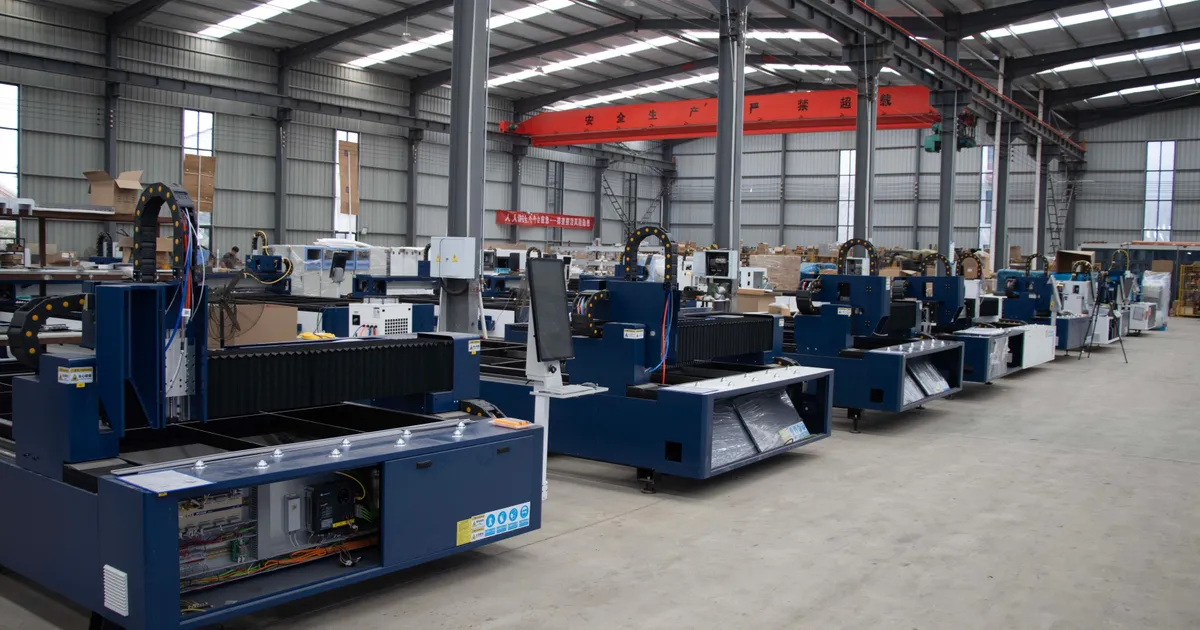
A die casting machine holds a steel die closed against the force of injection and pushes molten metal into it with a piston. Everything you buy in one is those two jobs: clamping force to keep the die shut, and an injection unit that can repeat the same shot curve thousands of times. The rest is periphery, control and hydraulics.
There are two architectures — hot chamber and cold chamber — and the alloy, not the buyer, decides which one applies. What the buyer decides is size, and that is where most of the money is won or lost. This article is about the machine as equipment: how it is built, how tonnage is calculated and what to look at before signing. The process itself and its variants are mapped in die casting explained.
What is a die casting machine?
It is a press with an injection system attached. Three subsystems do the work, and each one shows up in the part when it underperforms:
- The clamping unit. Two platens, tie bars and a locking mechanism that keep the die closed while the cavity is under pressure. If clamping force falls short, the die breathes open on every shot and you get flash.
- The injection unit. The plunger and its drive: slow first phase, fast second phase and intensification pressure once the cavity is full. This is the subsystem that decides internal soundness.
- Hydraulics and control. Accumulators, valves and the closed loop that makes the shot curve repeatable. What the machine cannot repeat, the part records.
Machines are rated by clamping force, which is why plants talk about a “400 ton machine” as if that were the whole specification. It is not. Two machines of the same tonnage can behave very differently at the moment that matters — the switch from first to second phase.
Hot chamber vs cold chamber die casting machines
The difference is where the molten metal sits relative to the injection system, and the alloy imposes it.
In a hot chamber die casting machine, the injection assembly is submerged in the melt: a gooseneck and plunger sit permanently in the furnace pot, and metal reaches the die without ever being exposed to air. This works for zinc and magnesium, whose working temperatures do not consume a submerged steel assembly. Zamak melts near 385 °C, and that single number is what makes the architecture possible — the alloy side of it is covered in Zamak alloys and where they fit.
In a cold chamber die casting machine, metal is ladled from an external furnace into a horizontal shot sleeve, and the plunger pushes it from there. This is mandatory for aluminum, which melts near 660 °C and would attack any permanently submerged component — the reason is developed in aluminum die casting.
| Hot chamber | Cold chamber | |
|---|---|---|
| Alloys | Zinc, magnesium | Aluminum, brass |
| Metal supply | Submerged gooseneck | Ladled into a shot sleeve |
| Cycle | Shorter: no ladling step | Longer: ladling and biscuit |
| Die life | Longer, less thermal shock | Shorter, harsher on the steel |
| Typical parts | Small, detailed, high volume | Structural, larger, thin walled |
An aluminum die casting machine is therefore always a cold chamber machine. If a supplier offers you a hot chamber machine for aluminum, that is the end of the conversation.
Locking force: how to compare two machines
Clamping force — locking force, in a lot of machine literature — is the number on the nameplate, and comparing it across quotations is less straightforward than it looks. Three things account for most of the confusion:
- How the force is generated. A toggle clamp uses a mechanical linkage that reaches full force at lockup: it is fast, energy-efficient and it holds the die shut without continuous hydraulic pressure, but the actual force it develops depends on correct die height adjustment and on the wear of the linkage. A direct hydraulic clamp holds the platen with a cylinder under pressure: the force is easier to read, easier to hold constant across die heights, and easier to monitor. Neither is universally better; what is not acceptable is comparing them by nameplate alone.
- Rated force versus working force. The rating is a maximum. The force actually available on your die depends on adjustment, tie bar condition and the pressure your hydraulics reach in service — an old machine at rated tonnage is not the same machine it was.
- Tie bar spacing and platen size. Two machines with identical tonnage can differ by whether your die physically fits between the columns and whether the load lands centered. An off-center die concentrates force on two tie bars and opens the parting line on the other side, whatever the nameplate says.
The practical test is not the brochure figure: it is flash. A parting line that shows flash consistently on the same side is a clamping problem, and no injection parameter will fix it.
How die casting machine tonnage is decided
Clamping force is not chosen from a catalogue; it comes out of the part. Take the projected area of everything sitting on the parting plane — the part, the runner system, the overflows — and multiply it by the specific pressure you intend to work with. Add the margin the process demands, and you have the range you are shopping in.
Two failure modes, both common:
- Undersized. The die opens fractionally on every shot. You see flash, dimensional drift and a maintenance bill for a parting line that is being hammered.
- Oversized. The machine runs at the bottom of its control window, where its injection curve is least repeatable, and you paid for tonnage that does nothing. Buying long is not caution.
Two numbers change the answer and are often forgotten in the quote: the shot weight the machine has to deliver — part plus runners plus overflows — and whether the die will ever be used for a second, larger part. Sizing to today’s part alone is how plants end up with a shop full of machines that cannot share tooling.
Small, medium and large die casting machines
Suppliers sort their catalogues into small, medium and large machines, and it is worth knowing that those labels are commercial, not normative: no standard defines where a “medium die casting machine” starts. What the classes describe in practice is the kind of work each range does:
| Class | What it typically runs | What dominates the decision |
|---|---|---|
| Small | Hot chamber zinc parts; small aluminum components | Cycle time and automation of the output side |
| Medium | The bulk of aluminum production: housings, brackets, covers | Injection repeatability and die change time |
| Large | Structural parts, large covers, multi-part consolidations | Platen size, shot weight and floor infrastructure |
| Giga class | Single structural castings in the thousands-of-tonnes range | Everything scales: see giga press explained |
Two consequences follow. First, when a quotation says “medium”, ask for the tonnage, the platen dimensions, the tie bar spacing and the shot weight — those four numbers are comparable, the label is not. Second, the class of machine you buy should follow the family of parts you intend to run for the next decade, not the single part on the table today.
What to check beyond tonnage
Once the range is set, these carry more weight than the list price:
- Plunger diameter and stroke, which set the usable shot range. A machine that can only work at the extremes of its dosing range is a machine that will drift.
- Repeatability of the injection curve, especially at the first-to-second phase switch. Ask for shot traces from a running machine, not a datasheet.
- Intensification: how much, and how fast it arrives. Late intensification compacts nothing — the metal has already solidified where it mattered.
- Platen size, tie bar spacing and die height range, which decide whether your future tooling fits at all.
- Thermal control of the shot sleeve in cold chamber, or of the pot and nozzle in hot chamber. It is the usual suspect when the first parts of a shift differ from the rest.
- Vacuum readiness. If your parts will be heat treated or welded, retrofitting vacuum later is far more expensive than specifying it now.
- Data out of the machine. Shot traces you can export and store are what turn a defect investigation into evidence instead of recollection.
The cell produces, not the machine
A die casting machine on its own casts nothing. Around it sit the furnace and dosing system, the die lubricant sprayer, the die thermoregulation units, the extractor and the trim press, and each of them governs cycle stability as much as the press does.
The sprayer deserves particular attention because it is treated as a consumable and behaves as a process parameter: dilution, coverage and spray pattern change the thermal exchange of the die on every single shot. A superb machine with improvised periphery produces just as irregularly as a mediocre one.
What the machine does not decide
This is uncomfortable for anyone who has just invested in tonnage: the machine supplies force and repeatability, but the die and the gating system write the result. Two plants with the same machine and the same alloy scrap at very different rates depending on how the runner is conceived, where the gates sit, how the cavity vents and how stable the thermal balance of the steel is.
So a machine will not fix a part that was conceived for another process, will not compensate for a die that fills the cavity from the wrong direction, and will not rescue a melt that arrives with hydrogen and oxides. It amplifies what is already decided — in both directions.
Where to start
If you are evaluating a machine for a specific part, do the arithmetic before the shopping: projected area, shot weight, tonnage range, and the geometry check that tells you whether the part can be ejected at all. Then look at filling and solidification on screen before any steel is machined, because that is the stage where a correction is a line on a drawing — what that analysis shows, and what it does not, is in casting simulation software.
Our equipment page covers what we distribute and where it fits, consulting is where a specific part with a specific defect gets worked through, and the simulation software is what keeps that analysis inside your own team.
- #die casting machine
- #hot chamber
- #cold chamber
- #tonnage
- #HPDC
Found this useful? Add Inytialgo as a preferred source and you'll see our posts more often in your Google Search.
Add as a preferred source on Google