Process 8 min read
Die casting vs injection molding: metal, plastic and MIM compared
By Inytialgo ·
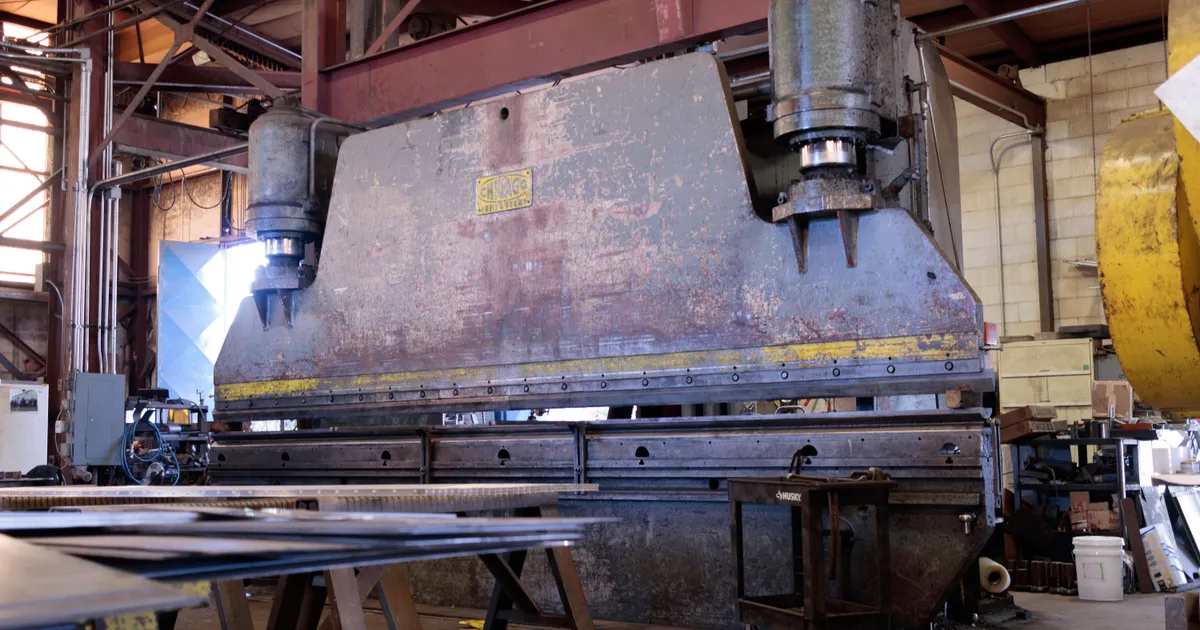
Die casting and injection molding fill a tool the same way — a piston pushes a melt into a closed cavity at speed — and share almost nothing after that. Die casting injects a molten metal alloy into a steel die; plastic injection molding injects a polymer melt; metal injection molding (MIM) molds a powder-and-binder feedstock that only becomes metal later, in a furnace.
The confusion is expensive because the choice is not made at the quote. It is made in the part drawing, and by the time the steel is machined it is no longer reversible.
Die casting vs injection molding: the short answer
They are three different processes that happen to share an injection unit. This is the comparison that decides where a part belongs:
| High pressure die casting | Plastic injection molding | Metal injection molding | |
|---|---|---|---|
| Material | Non-ferrous alloys: aluminum, zinc, magnesium | Thermoplastics | Metal powder bound in polymer |
| How the cavity fills | Plunger pushes molten metal in fractions of a second | Screw and piston push polymer melt | Screw pushes feedstock, exactly like plastic |
| What leaves the tool | A finished metal part with flash and overflows | A finished plastic part | A fragile “green” part, oversized on purpose |
| After the tool | Trim, and usually machine | Trim the gate | Debind, then sinter — the part shrinks to size |
| Typical part size | Small parts up to large structural castings | Small to large | Small, high-value parts |
| Alloy range | Low melting point, non-ferrous only | n/a | Stainless, tool steels, titanium and more |
Two of those rows carry most of the decisions: the material family you are allowed to use, and what still has to happen to the part after it leaves the machine.
«Injection casting» and other hybrid names
The search language around these processes mixes them freely — injection casting, die injection molding, injection die casting — and none of those hybrids is a standard process name. When a specification or a supplier page says injection casting, it almost always means one of the three real processes above: die casting if the material is a metal that melts in the machine, plastic injection molding if it is a polymer, and MIM if it is metal powder in a binder.
The reliable way to cut through a vague spec is to ask two questions: what material family, and does it enter the tool molten? Those two answers name the process, whatever the page calls it — and they decide which set of design rules the part has to obey from that point on.
What each process does to the material
Die casting freezes a metal under pressure. The metal enters the cavity fully liquid, fills in fractions of a second, and then the machine holds intensification pressure while it solidifies. That pressure is what compacts the metal and decides internal soundness — and the fast fill is what makes thin walls possible while also dragging air in when the gating system is poorly conceived. The full sequence is laid out in how the die casting process works.
Plastic injection molding freezes a polymer. There is no solidification front that has to be fed, no gas dissolved in a melt, no die soldering. Shrinkage exists, but it obeys polymer rules: sink marks over thick sections, warpage from uneven cooling, weld lines where two flow fronts meet cold.
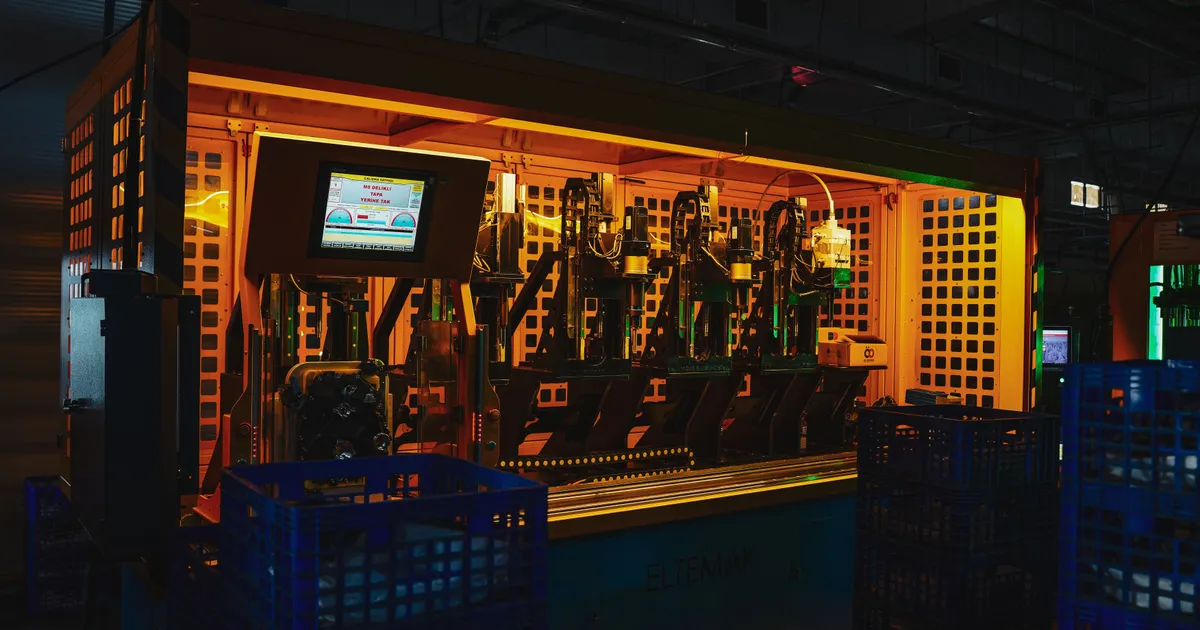
Metal injection molding does something different again. It molds a feedstock — fine metal powder held in a polymer binder — that behaves like plastic in the machine. The molded part is then debound, and sintered at high temperature until the powder densifies into solid metal. The part shrinks substantially and predictably during sintering, so the tool is cut oversized to land on the drawing after the furnace.
Metal injection molding is not die casting with a screw
MIM competes with die casting only in a narrow band, and it wins there for one reason: it is not limited to alloys with a low melting point. Die casting lives on aluminum, zinc and magnesium because the metal has to be liquid in contact with steel hardware. MIM never melts the metal in the machine at all, so stainless steels, tool steels, titanium and superalloys are on the table.
What it charges for that freedom is size and cost per gram. Feedstock, debinding and sintering all scale with the mass of the part, and sintering shrinkage is harder to control the larger the geometry gets. That pushes MIM toward small, complex, high-value parts — surgical instruments, connectors, small mechanisms — while die casting keeps everything from a bracket to a large structural body casting.
The practical rule: if the part is small, intricate, and has to be a material die casting cannot pour, look at MIM. If it is bigger than a fist, or it needs aluminum’s weight and thermal behavior, it is a die casting question. Which aluminum grade that becomes is a separate decision, covered in aluminum die casting alloys.
Can the same part be made either way?
Sometimes, and that is exactly where money is lost. A part drawn for plastic injection molding and quoted in aluminum usually fails in HPDC, because the two processes do not punish the same geometry.
- Thick sections. In plastic they give you a sink mark you can style around. In die casting they give you shrinkage porosity in the last place to solidify, which is often the face that gets machined and pressure tested.
- Ribs and bosses. Polymer parts add ribs freely to stiffen a wall. In metal, every rib junction is a thermal mass that solidifies late.
- Draft and ejection. Metal grips a steel core as it cools onto it, and the ejection loads are far higher than in plastic. The draft that was generous on a polymer print can be marginal on the same geometry in aluminum — see draft angle in die casting.
- Undercuts. Both processes solve them with slides, but in die casting a slide also has to survive thermal cycling and metal pressure.
The reverse conversion — a metal casting redrawn in plastic — fails on properties rather than geometry: stiffness at temperature, thermal conduction, EMI shielding and the ability to be machined to a sealing surface.
Tooling: what the steel costs you in each process
Both processes carry a real tooling investment, and both live on volume. But the tool does not have the same life expectancy.
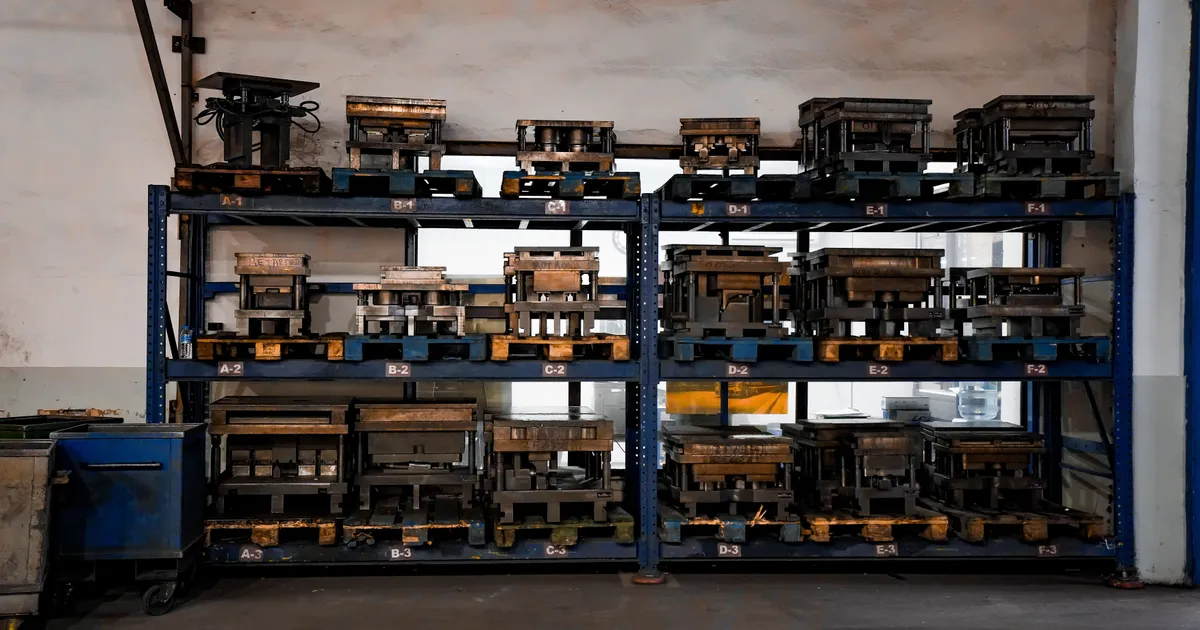
A plastic injection mold sees polymer at a few hundred degrees. A die casting die sees molten metal, and it fails in ways plastic tooling does not: heat checking from thermal fatigue, soldering where metal welds itself to the surface, and washout at the gate. That is why die casting dies are made of hot-work tool steel, heat treated, and maintained on a schedule rather than on complaint.
The consequence for a program is uncomfortable but simple: in die casting, the tool is not just the cost of entry, it is a consumable with a service life. Any comparison of part price between processes that ignores die maintenance and replacement is comparing the wrong numbers.
How to decide, in the order that saves money
The order matters more than the criteria, because each answer eliminates options before you spend on the next one.
- What material does the part have to be? If it must be steel or titanium, die casting is out. If a filled polymer meets the spec, ask why you are buying metal at all.
- How big is it, and how much does it weigh? Above small-part territory, MIM drops out on cost and sintering control.
- What has to survive? Pressure tightness, welding or heat treatment change the die casting answer completely — they push the part toward vacuum assistance and a far more careful gating design.
- What annual volume, over how many years? Every one of these processes pays for its tool with volume. Without a real production horizon, the comparison is theoretical.
- Only then, the geometry. Redraw the part for the process you chose. Do not carry over a drawing made for another one.
Most of the disappointments we see on the floor come from doing this list backwards: a geometry inherited from another process, quoted on part price, with the material decision made last.
Where this actually gets settled
Once the process is chosen, the argument moves to the die: where the metal enters, how fast, where the last air goes, and how the steel loses heat between shots. That is decided on screen or paid for at tryout, and the difference in cost between those two places is the whole business case for simulation.
If your part is on the table and the process decision is still open, our die casting consulting starts from the real part rather than from a catalog. And if the decision is made and the die is next, the casting simulation software is what lets your own team see the filling and solidification before anyone machines steel.
- #die casting
- #injection molding
- #metal injection molding
- #process selection
- #HPDC
Found this useful? Add Inytialgo as a preferred source and you'll see our posts more often in your Google Search.
Add as a preferred source on Google